Disclosure: This post contains affiliate links. If you purchase through these links, I may earn a small commission at no extra cost to you. I only recommend products I personally find useful.
After living in Las Vegas for over a decade, I still discover new places just a short drive away. As a local who’s driven passengers to dozens of these spots in my Tesla, I know which day trips actually work well for seniors — and which ones sound better on paper than they are in practice.
Most people fly into Las Vegas, spend every waking hour on the Strip, and fly home never knowing what’s waiting just outside the city limits. That’s a shame — because within a two-hour drive of Las Vegas sits some of the most jaw-dropping scenery in North America. Fiery red canyons, an engineering wonder that tamed the Colorado River, ancient petroglyphs, and two national parks that draw millions of visitors every year. All of it is a quick drive away.
Whether you’re here for a weekend, a week, or you’re a local looking to escape the neon for a day, these eight day trips from Las Vegas will give you a completely different perspective on the desert Southwest. We’ve organized them by drive time, so you can pick one that fits your schedule.
Under 30 Minutes: Red Rock Canyon National Conservation Area
Drive time: 17–25 minutes from the Strip
Best for: Hikers, scenic drive lovers, photographers, families
According to the National Park Service, the America the Beautiful Pass provides access to more than 2,000 federal recreation sites — and seniors 62+ qualify for a lifetime pass at a fraction of the annual cost.
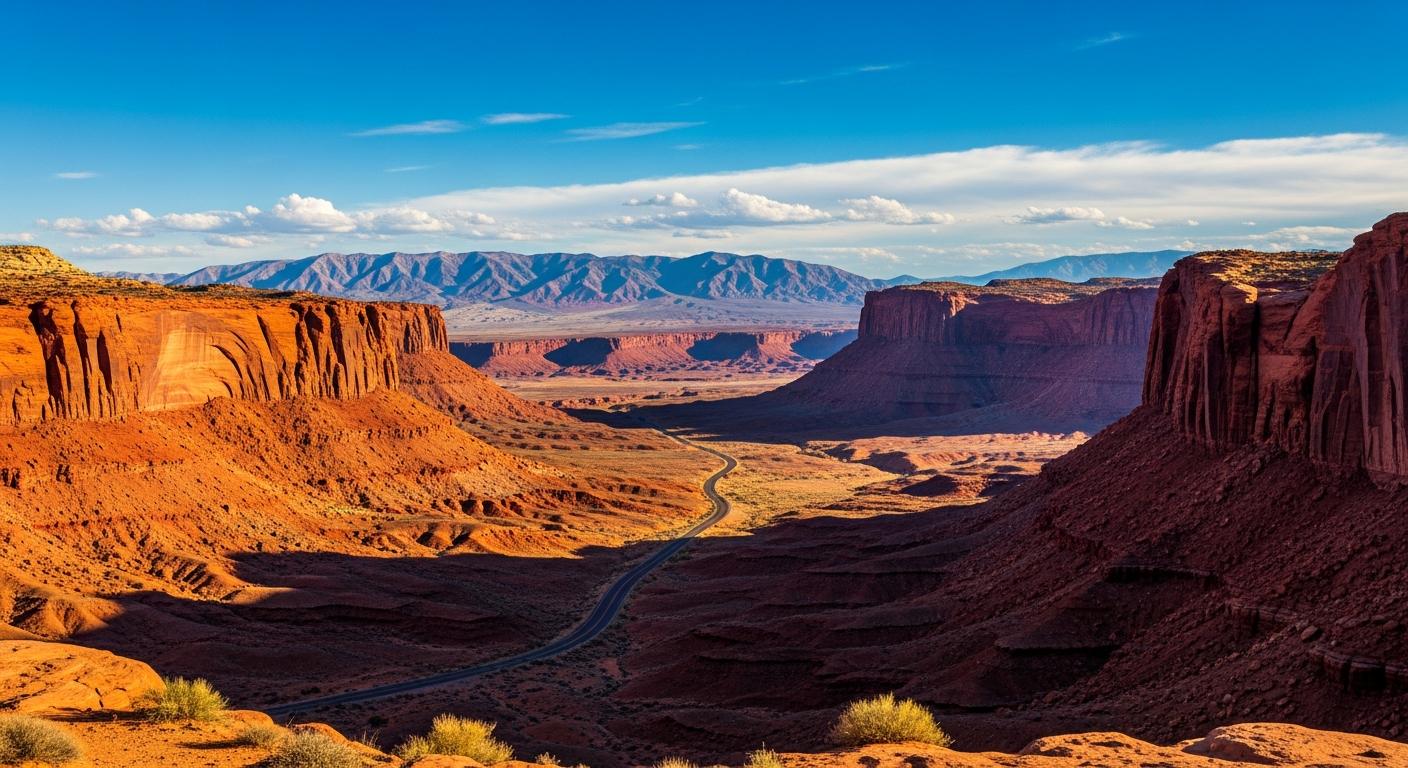
Red Rock Canyon is Las Vegas’s open secret. Locals know it; tourists often miss it. Just 17 miles west of the Strip, the canyon’s towering sandstone cliffs rise up to 3,000 feet above the valley floor, banded in shades of red, orange, and cream. It’s the kind of landscape that makes you stop and wonder why you ever thought Las Vegas was just about slot machines.
The 13-mile scenic loop drive takes about an hour and requires a timed reservation and a $20 vehicle fee (October through May). If you’d rather get out and walk, the Calico Hills trail system offers relatively easy paths with panoramic views. More adventurous hikers can tackle Ice Box Canyon or Pine Creek Canyon for a full half-day experience.
What to know: Timed reservations are required for the scenic drive from October 1 through May 31, from 8 a.m. to 5 p.m. Book in advance at recreation.gov. The visitor center is open daily. Bring plenty of water — the desert air is deceptively drying even on cool days.
Tip: Arrive early morning for the best light on the red cliffs and cooler temperatures. The canyon faces west, so afternoon sun can be brutal in summer.
Under 1 Hour: Valley of Fire State Park
Drive time: 50–60 minutes from the Strip
Best for: Couples, families, photography enthusiasts, anyone who loves dramatic landscapes
If Red Rock Canyon is beautiful, Valley of Fire is otherworldly. Nevada’s oldest and largest state park sits about 50 miles northeast of Las Vegas, and it earns its name — at sunrise and sunset, the entire park seems to glow like molten rock. Ancient Aztec sandstone formations, some over 150 million years old, create a landscape that looks like it belongs on another planet.
The park’s Arch Rock and Elephant Rock are easy walks accessible to almost anyone. Fire Wave Trail, a 1.5-mile round trip, leads to rippling bands of red and white rock that form one of the most photographed spots in Nevada. If you’re interested in history, the Petroglyph Canyon trail passes ancient rock carvings left by the Basketmaker people thousands of years ago.
What to know: Entrance fee is $10 per vehicle for Nevada plates, $15 for out-of-state vehicles. The park is open year-round from sunrise to sunset. Summer temperatures frequently exceed 110°F — visit early morning or in the evening, or plan a spring/fall trip for ideal conditions.
Tip: Pack a lunch and stop at one of the shaded picnic areas near the visitor center. There are no restaurants inside the park, and the nearest gas station is about 12 miles away.
Under 1 Hour: Hoover Dam
Drive time: 40–45 minutes from the Strip
Best for: History buffs, families, engineering enthusiasts, first-time visitors to the area
Built during the Great Depression and completed in 1936, Hoover Dam is one of the great engineering achievements of the 20th century. It stretches 726 feet tall — taller than a 60-story building — and contains enough concrete to build a two-lane highway from San Francisco to New York. Standing at the base and craning your neck upward, it’s genuinely awe-inspiring.
You can walk across the dam for free and take in views of Lake Mead on one side and the steep Black Canyon on the other. For a deeper experience, the Powerplant Tour ($25 adults, $15 ages 4–16) takes you inside the dam’s turbines and generators. The Guided Dam Tour ($40 per person) goes even further, including tunnels and inspection galleries that most visitors never see.
What to know: Parking in the dam garage costs $10. U.S. citizens need a valid photo ID to enter the dam; non-U.S. citizens need a passport. Tours run throughout the day. The Mike O’Callaghan–Pat Tillman Memorial Bridge, completed in 2010, offers a spectacular aerial view of the dam from above — and it’s free to walk across.
Tip: Visit on a weekday to avoid weekend crowds. Bring sun protection — there’s very little shade once you’re on the structure. A water-resistant SPF like Neutrogena Ultra Sheer SPF 100+ holds up well in the heat.
Under 1 Hour: Lake Mead National Recreation Area
Drive time: 30–45 minutes from the Strip
Best for: Boating, kayaking, swimming, fishing, families looking for a beach day
Often overlooked in favor of more dramatic landscapes, Lake Mead is simply one of the best places near Las Vegas to relax. The largest reservoir in the United States by volume (when full), Lake Mead has over 700 miles of shoreline and multiple beaches where you can swim, launch a kayak, or just sit and watch the water.
Boulder Beach and Las Vegas Bay are the most accessible entry points for day visitors. Rental boats, jet skis, and kayaks are available through concessionaires at several marinas. Anglers come for striped bass, largemouth bass, and catfish. The Northshore Scenic Drive, a 27-mile route along the lake’s edge, is one of the most underappreciated drives in the Las Vegas area.
What to know: The Lake Mead National Recreation Area charges $25 per vehicle (valid for 7 days), and it’s covered by America the Beautiful passes. Note that water levels have fluctuated significantly in recent years — check current conditions before planning water activities.
About 2.5 Hours: Grand Canyon West Rim
Drive time: 2.5 hours from the Strip
Best for: First-time Canyon visitors, those wanting the Skywalk experience, guided tour groups
The Grand Canyon’s South Rim is the most famous section, but it’s a four-to-five-hour drive from Las Vegas. Grand Canyon West, operated by the Hualapai Nation, is the closest part of the canyon to Las Vegas — about 2.5 hours — and it offers something no other rim can: the Skywalk, a glass-floored bridge extending 70 feet over the canyon’s edge.
Beyond the Skywalk, Grand Canyon West has eagle-point viewpoints, a Hualapai ranch with cultural demonstrations, and helicopter tours down to the canyon floor. Packages start around $49 and go up depending on what you add. Many Las Vegas tour operators run guided day trips here, which can simplify logistics significantly.
What to know: Grand Canyon West is on Hualapai tribal land, not managed by the National Park Service. America the Beautiful passes do not apply here. If you want the full National Park experience, consider an overnight trip to the South Rim instead.
Tip: Guided bus tours from Las Vegas often include transport, entrance fees, and lunch — sometimes better value than driving yourself if you’re a group of two.
About 2.5 Hours: Zion National Park
Drive time: 2.5 hours from the Strip
Best for: Hikers, nature lovers, couples, anyone who can walk a moderate trail
Zion is, without question, one of the most beautiful national parks in the country. The canyon walls rise nearly 2,000 feet above the Virgin River on the canyon floor, and the light that plays across the sandstone from morning through evening is something photographers chase for years. As a day trip from Las Vegas, it’s ambitious but absolutely doable.
For a day visit, the best strategy is the Riverside Walk — a paved, 2.2-mile round trip that ends at the entrance to The Narrows, Zion’s signature slot canyon. If you’re up for a longer hike, Emerald Pools Trail (Lower Pool section) is accessible to most visitors. Angels Landing, the park’s most famous hike, requires a permit through a lottery system and is not suitable for casual visitors.
What to know: Zion charges $35 per vehicle (covered by America the Beautiful passes). From spring through fall, private vehicles are not permitted in Zion Canyon — you park at the visitor center and ride the free shuttle, which runs frequently. Plan to arrive by 9 a.m. on busy days; parking fills up fast.
Tip: Wear waterproof shoes if you plan to walk The Narrows, even partially. The trail is literally in the river. The Merrell Moab 3 Waterproof is a popular choice for exactly this kind of wet-trail hiking.
About 2 Hours: Death Valley National Park
Drive time: 2 hours from the Strip
Best for: Adventure seekers, history buffs, people who love extreme landscapes
Death Valley holds a collection of records: hottest air temperature ever recorded on Earth (134°F in 1913), lowest elevation in North America (Badwater Basin, at 282 feet below sea level), and one of the driest places in the Western Hemisphere. It is, in every sense, a landscape of extremes — and it’s stunning for it.
Zabriskie Point offers panoramic views of eroded badlands at sunrise. Badwater Basin’s vast salt flats are unlike anything else in North America. Mesquite Flat Sand Dunes, a short walk from the road, feel like a scene from a different continent entirely. The drive from Las Vegas through the Nevada desert and into the park is itself dramatic, passing through small mining towns and gradually changing terrain.
What to know: Death Valley charges $30 per vehicle (covered by America the Beautiful passes). Summer temperatures regularly exceed 120°F — this is strictly a fall, winter, and spring destination. Spring wildflower blooms (February–April in good years) are spectacular. The park is enormous; plan your stops in advance and carry extra water and emergency supplies.
Under 1 Hour: Mount Charleston (Spring Mountains National Recreation Area)
Drive time: 45 minutes from the Strip
Best for: Escaping summer heat, pine forest hiking, families, snow day trips in winter
Here’s the Las Vegas day trip almost nobody outside Nevada knows about: drive 45 minutes north on US-95 and you can go from 105°F desert heat to pine forests, mountain meadows, and temperatures that are 20–30°F cooler. Charleston Peak reaches 11,918 feet, and the Spring Mountains feel like a completely different world from the Strip below.
In summer, it’s a refuge from the heat — hiking trails through ponderosa pine and aspen, picnic areas, and cool breezes. In winter (typically November through March), the Lee Canyon ski resort offers downhill skiing and snowboarding — the only ski area within an hour of a major American city. Spring and fall bring brilliant foliage changes that draw photographers from across Nevada.
What to know: No entrance fee for most of the recreation area. Lee Canyon lift tickets are separate; check their website for current pricing. The road to the summit area closes seasonally due to snow — check conditions before you go in winter months.
Tip: This is the locals’ favorite summer escape. Go on a weekday if possible; weekends in summer get crowded with Las Vegas residents looking to cool off.
How to Plan Your Day Trip
A few practical notes before you head out:
Water is non-negotiable. Even in spring and fall, desert hiking can dehydrate you faster than you expect. Bring at least one liter per person per hour of hiking, plus extra for the drive. A CamelBak Arete 14 hydration pack keeps water accessible hands-free on the trail.
Start early. Most of these destinations are at their best in the first hours of daylight — better light for photos, cooler temperatures, and smaller crowds. A 6 a.m. departure from the Strip gives you the full day without feeling rushed.
Gas up before you leave. Fuel prices outside Las Vegas can be significantly higher, and some areas (particularly around Valley of Fire and Grand Canyon West) have limited or no gas stations for long stretches.
America the Beautiful pass. If you’re visiting multiple national parks or recreation areas in a year, the $80 annual pass pays for itself quickly. It covers Red Rock Canyon, Zion, Death Valley, Lake Mead, and Mount Charleston — all in one card.
Las Vegas is an extraordinary city, but the landscape surrounding it is equally extraordinary — and far less crowded. Any one of these day trips will give you a day you’ll remember long after the neon fades.
Disclaimer: This article is for informational purposes only. Prices, hours, and reservation requirements change — verify details directly with each site before your visit.